You might not realize it, but your tires are one of the most critical components of your vehicle. They impact everything from fuel efficiency to safety, and proper tire maintenance can drastically extend their lifespan. This article will cover the various aspects of tire care, from understanding tire wear to proper storage methods.
Understanding Tire Wear and Tear
Common Causes of Tire Wear
Tire wear often reflects your driving habits and conditions. For example, aggressive acceleration and hard braking can cause uneven tire wear, while rough road surfaces can lead to more rapid deterioration. It’s important to adapt your driving style according to your environment to get the most life out of your tires.
Recognizing Signs of Tire Wear
Regular tire inspections can help you catch issues before they worsen. Look for changes in tread depth, sidewall damage, or unusual bulges. The penny test can be a quick way to check tread depth: Insert a penny into the tread; if you can see all of Lincoln’s head, it’s time to replace your tires.
Importance of Regular Tire Inspections
Regular tire inspections can prevent costly replacements and maintain your vehicle’s performance. Many experts recommend checking your tires every six months or with each oil change. During these inspections, professionals will assess the tread depth, check for any visible damage, and ensure that your tires are properly aligned and balanced.
Maintaining Proper Tire Pressure
How to Check Tire Pressure Correctly
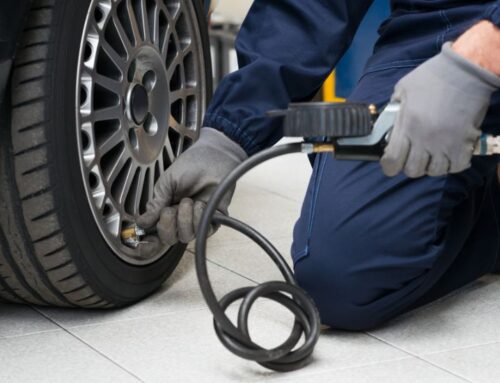
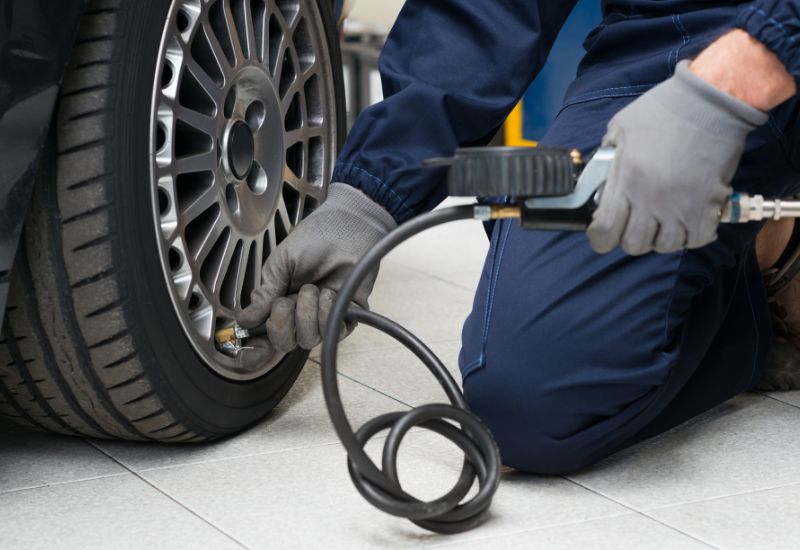
Checking your tire pressure is a simple yet vital task. A tire pressure gauge, available at most auto shops, measures the pressure in each tire. It’s best to do this when the tires are cold, as driving heats them up and can give a false reading.
Recommended Tire Pressure Levels
The recommended tire pressure for your vehicle can usually be found in the owner’s manual or on a sticker inside the driver’s side door. Most passenger vehicles have a recommended pressure between 30-35 PSI.
Effects of Under-Inflated and Over-Inflated Tires
Both under-inflated and overinflated tires can have severe consequences. Underinflated tires can lead to decreased fuel efficiency and increased wear on the outer edges. On the other hand, overinflated tires may wear more quickly in the center and are more prone to blowouts.
Tools and Gadgets to Help Maintain Tire Pressure
In today’s tech-savvy world, numerous gadgets are available to help maintain optimal tire pressure. Digital tire pressure gauges offer more accurate readings, and some advanced tire monitoring systems can alert you via smartphone if your tire pressure drops unexpectedly.
Regular Tire Rotation
Why Tire Rotation is Important
Tires wear unevenly based on their position on the vehicle. For instance, front tires typically wear faster due to steering and weight distribution. Regularly rotating your tires helps ensure even wear, extending their overall life.
How Often to Rotate Your Tires
Most experts recommend rotating your tires every 5,000 to 8,000 miles, but always refer to your vehicle’s owner manual for specific recommendations. Maintaining your tire rotations can help you track when the next one is due.
DIY vs. Professional Tire Rotation
While DIY tire rotation is possible, it requires specific tools and knowledge. If you’re comfortable doing it yourself, follow your vehicle manufacturer’s recommendations. Otherwise, consider a professional service—many shops offer free rotation with tire purchase.
Wheel Alignment and Balancing
What is Wheel Alignment and Why It’s Important
Wheel alignment refers to the adjustment of your vehicle’s suspension—specifically, the angles of the wheels. Proper alignment ensures your tires wear evenly and improves handling. Misalignment can occur due to hitting potholes or curbs, resulting in your vehicle pulling to one side.
Signs You Need a Wheel Alignment
Several signs indicate you might need a wheel alignment. If your steering wheel is off-center when driving straight or your vehicle pulls to one side, it’s time to check it. Uneven tire wear is another red flag that indicates alignment issues.
Benefits of Proper Wheel Balancing
Wheel balancing equalizes the weight of the combined tire and wheel assembly. This is crucial for a smooth ride and can significantly extend tire life. Vibration from unbalanced wheels can lead to premature wear and even suspension damage. Ideally, your tires should be balanced every 5,000 to 6,000 miles or whenever you notice vibrations while driving.
Proper Tire Storage
How to Store Tires When Not in Use
If you have seasonal tires, storing them correctly is essential. Clean the tires thoroughly to remove dirt or chemicals, then store them in a cool, dry place away from direct sunlight. Keep them in a sealed plastic bag to prevent moisture buildup if possible.
Tips for Maintaining Tire Integrity During Storage
Temperature and humidity can significantly affect tire longevity. Aim for a storage area that’s consistently cool—ideally, between 50°F and 70°F. High humidity can promote mold growth, while extreme heat can degrade rubber.
Common Mistakes to Avoid
One common mistake is storing tires flat on the ground. Instead, stack them vertically to prevent flat spots. Additionally, avoid storing tires near heat sources or chemicals, which can accelerate deterioration.
Using the Right Tires for Your Vehicle
How to Select the Correct Tire Type
Choosing the right tires for your vehicle is as important as maintaining them. Consider your driving habits and the conditions you usually encounter. For example, if you live in a snowy region, winter tires offer better grip than all-season tires.
Importance of Using Manufacturer-Recommended Tire Sizes
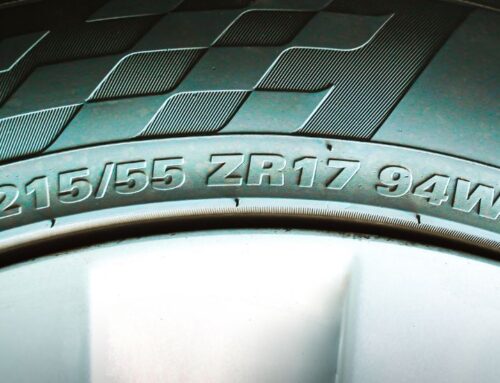
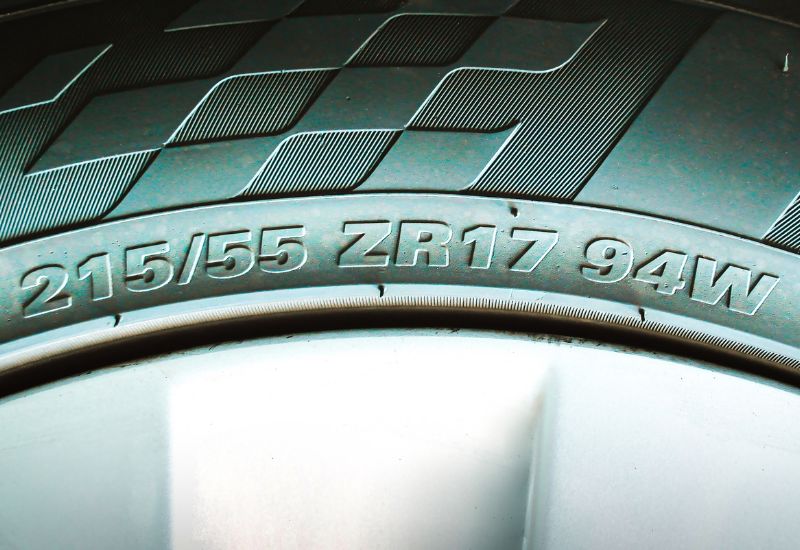
Your vehicle’s manufacturer provides specific tire size recommendations for a reason. Using the correct size improves handling, fuel efficiency, and overall safety. Consult your owner’s manual or the tire placard on your vehicle for the right dimensions.
How Mismatched Tires Can Affect Wear and Vehicle Performance
Using mismatched tires—different sizes or treads—can lead to uneven wear and compromised vehicle performance. Always aim for uniformity in your tires to ensure a smooth, safe ride.
Regular Tire Inspections and Maintenance
Checklist for Routine Tire Inspections
Regular tire inspections are crucial for safety and performance. Create a checklist that includes checking pressure, examining tread depth, looking for visible damage, and ensuring correct alignment and balance.
How to Spot Potential Issues Before They Become Serious Problems
Many tire issues develop gradually. Regular inspections allow you to identify problems early, before they lead to more significant (and costly) repairs. Stay vigilant for changes in tire performance or appearance.
When to Seek Professional Help
While many maintenance tasks are DIY-friendly, some issues require professional expertise. Always consult a professional if you’re unsure about a problem or lack the necessary tools.
Eco-Friendly Tire Maintenance Tips
How to Maintain Tires to Improve Fuel Efficiency
Proper tire maintenance extends tire life and enhances fuel efficiency. Keeping tires correctly inflated, rotating them regularly, and using the right size can contribute to better gas mileage.
Benefits of Eco-Friendly Driving Habits on Tire Life
Adopting eco-friendly driving habits, such as gentle acceleration and braking, not only benefits the environment but also extends tire longevity. These behaviors reduce wear and tear, improving overall tire health.
Eco-Friendly Products for Tire Care and Maintenance
Consider using eco-friendly products to clean and maintain your tires. Many commercial tire cleaners are now made with biodegradable ingredients that are less environmentally harmful.
Conclusion
In conclusion, proper tire maintenance is critical for extending the life of your tires and ensuring a safe and efficient driving experience. By understanding the factors that contribute to tire wear and implementing regular maintenance routines, you can significantly improve your vehicle’s performance.
Don’t wait until it’s too late—start prioritizing tire care today. If you’re due for a tire inspection or maintenance, schedule one with a professional service near you.
Check out our other blog posts for more tips on car maintenance. If you’re in South Florida and looking to customize your ride, visit Miami Power Wheels for all your car customization needs.